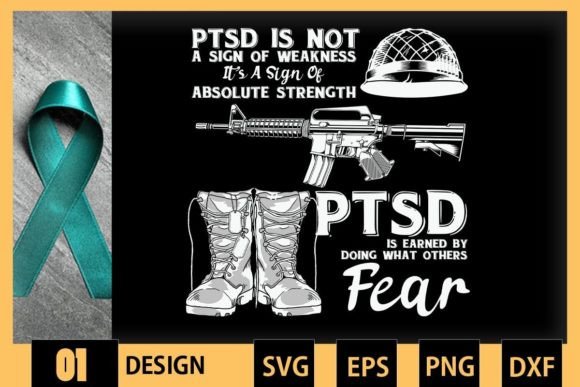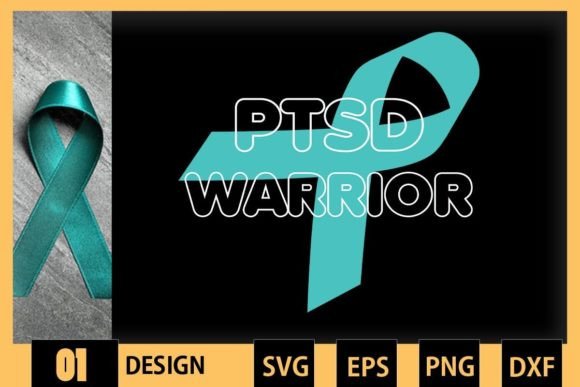
PTSD Warrior Vintage PTSD Awareness
A Designer’s First Look: Bold, Respectful, and Built for Meaning
When I opened the PTSD Warrior Vintage PTSD Awareness embroidery file bundle, my first impression wasn’t about technical specs—it was about tone. This isn’t a flashy, trend-chasing graphic. It carries weight. The vintage styling—slightly weathered edges, balanced negative space, and restrained line work—feels intentional, not decorative. As a designer who regularly selects embroidery files for client projects and small-batch merchandise, I immediately saw its potential on a custom embroidered tote bag for a veteran support group: sturdy canvas, medium-weight stabilizer, and a clean 4”–5” hoop size. It doesn’t shout; it stands. That matters—especially when the message is deeply personal.
How It Translates to Real Embroidery Projects
I tested PTSD Warrior Vintage PTSD Awareness across several real-world applications—and it performed best where clarity, dignity, and subtle craftsmanship converge. On a heavyweight cotton sweatshirt? Excellent. The design’s moderate fill stitch areas hold shape without puckering, and the lettering remains legible at 3.5”. On a baby onesie? I’d recommend using it as a chest accent—not an all-over motif—paired with soft tear-away stabilizer and low-density satin stitch for comfort. For embroidered patches, the clean outer edge and consistent line weight make it ideal for heat-seal or sew-on backing. And for boutique kitchen towels or pillow covers? Its balanced proportions and vintage warmth add quiet intentionality—no kitsch, no clutter.
Where it shines commercially: Etsy sellers offering personalized gifts for military families, small shop owners curating mindful apparel lines, and craft fair vendors building trust through thoughtful design. This isn’t background decor—it’s a statement piece that invites conversation, not just compliments. Customers notice when a design feels considered, not copied.
Where to Use It Thoughtfully (Not Just Everywhere)
Like any strong design, PTSD Warrior Vintage PTSD Awareness has boundaries—and respecting them preserves both quality and impact. Avoid cramming it into tiny hoops under 3”. Fine details in the typography or emblem elements may lose definition. On stretchy fabric like ribbed knits or thin jersey tees, use cutaway + tear-away combo stabilizer and reduce top tension slightly—otherwise, the satin-stitched areas can distort. Dark fabrics demand high-contrast thread (e.g., bright white or soft cream over navy or charcoal); always test your thread colors on scrap first. And on curved surfaces like caps? Stick to the front panel center—its horizontal symmetry handles curvature better than vertical layouts would.
I also advise caution on layered garments (think hoodies with thick fleece lining) unless you pre-test stitch density. Overly dense fills can stiffen the area unnaturally. And while the design includes SVG, PNG, DXF, and EPS files—great for digital prep and hybrid workflows—it’s still a machine embroidery design at heart. Don’t assume auto-digitizing will preserve its nuance. If you’re converting it yourself, prioritize smooth satin stitch transitions and avoid overloading small letterforms with unnecessary underlay.
What It Adds to Your Finished Product—Beyond Stitch Count
This is where PTSD Warrior Vintage PTSD Awareness quietly elevates your work. It boosts perceived value—not by complexity, but by cohesion. A handmade product with this design feels purpose-built, not pieced together. For gift buyers, it signals empathy and awareness without cliché. For your brand, it reinforces consistency: whether you’re selling embroidered patches on Etsy or custom sweatshirts for a nonprofit, the design reads as professional, respectful, and human-centered.
It also strengthens buyer engagement. People pause longer on items that feel authentic. I’ve seen repeat customers specifically request this motif for memorial gifts, caregiver appreciation bundles, and veteran appreciation month collections. That kind of resonance doesn’t come from generic clip art—it comes from curated design assets that align with your audience’s values.
Practical Designer Notes Before You Stitch
- Always test on scrap fabric—especially if switching between cotton, linen, or textured blends.
- Review stitch density in your embroidery software. Look for tight clusters that might cause thread breaks or fabric stress.
- Confirm hoop size compatibility before digitizing or resizing—some versions may scale cleanly, others won’t.
- Inspect small details like serif ends or inner curves—these are where digitizing shortcuts often show.
- Test black-and-white mockups to verify contrast and readability on light vs. dark backgrounds.
- Use proper stabilizer: medium-weight cutaway for stable fabrics, lightweight tear-away for delicate items like baby clothes.
- Verify licensing before selling finished products or bundling the digital embroidery file—this is a Graphics asset intended for Crafts use, but commercial terms vary.
Final Thought: Design With Intention, Not Just Output
PTSD Warrior Vintage PTSD Awareness works because it respects two things equally: the craft of embroidery and the gravity of its subject. It’s not “easy to stitch”—it’s *worth stitching*. Whether you’re an Etsy seller building a niche around mindful handmade goods, a small shop owner sourcing design assets for holiday embroidery, or a creative entrepreneur developing a line of veteran-support merchandise, this file earns its place in your library by balancing visual strength with emotional intelligence. Use it where meaning matters—and let the stitches speak clearly, respectfully, and well.