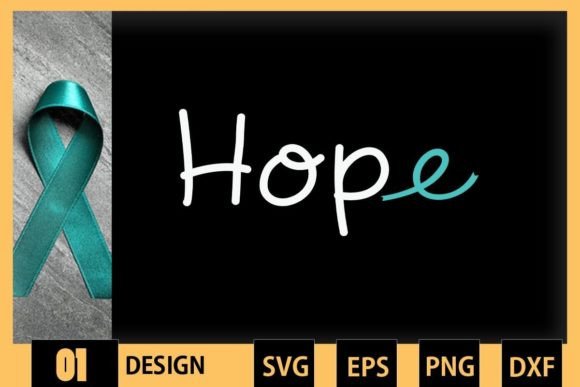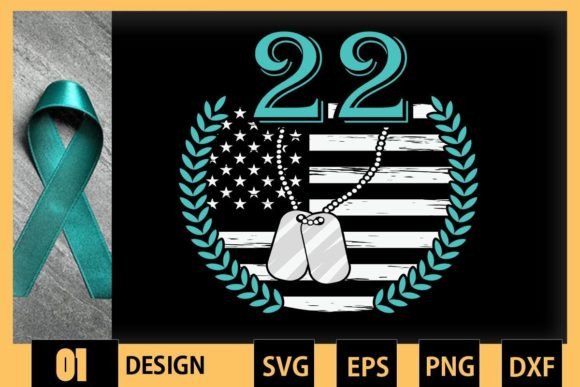
Awareness PTSD Veteran 22 Day
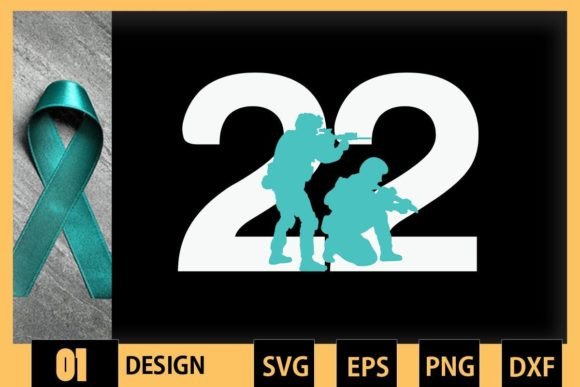
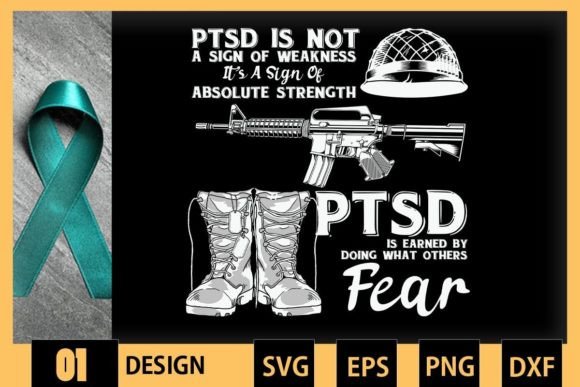
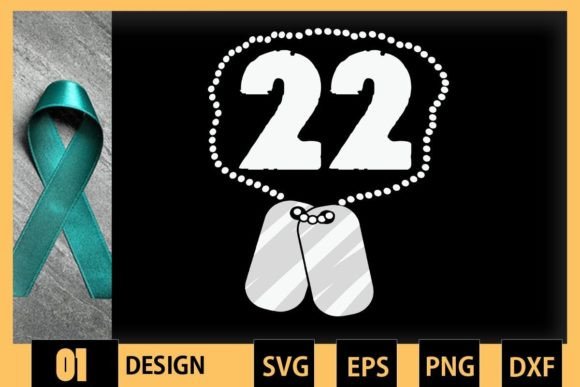
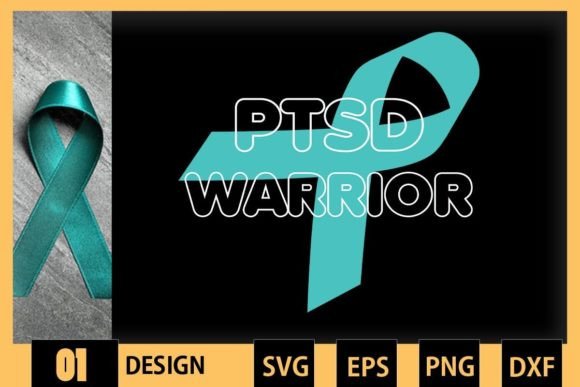
As a designer who’s stitched hundreds of awareness pieces—from hospital gowns to veteran support apparel—I opened Awareness PTSD Veteran 22 Day expecting clarity, dignity, and quiet strength. What I found was a clean, centered composition: a subtle 22 motif wrapped in symbolic elements—no loud slogans, no cluttered icons, just restrained visual weight. It feels like something you’d embroider on a soft cotton tote for a VA outreach event—not as decoration, but as quiet acknowledgment. That first impression matters: this isn’t flashy craft graphics; it’s purpose-built embroidery design with emotional resonance.
Last week, I used Awareness PTSD Veteran 22 Day to embroider a medium-weight organic cotton sweatshirt for a local nonprofit’s “22 Day” community walk. I chose a navy base with cream thread—low contrast but warm—and paired it with tear-away stabilizer. The result? Crisp satin-stitched outlines, balanced fill areas that didn’t pucker, and lettering clear enough to read at arm’s length—but not so dense it overwhelmed the fabric. That’s the sweet spot: a machine embroidery design that breathes, honors its subject, and holds up in real use.
This design naturally fits best on mid-to-large surface areas where legibility and presence matter: tote bag design (centered on the front panel), sweatshirt embroidery (left chest or back yoke), embroidered patch (heat-applied or sewn-on for jackets), and pillow covers for veteran family rooms. I also tested it on a linen tea towel—it held up beautifully, with stitch definition intact after two gentle machine washes. For baby embroidery? Proceed with care. The central numerals are legible, but the fine line work around the 22 may blur on ultra-soft interlock or knits unless stabilized heavily and stitched at reduced density.
Where Awareness PTSD Veteran 22 Day shines is in intentionality. Unlike many awareness graphics that lean into heavy symbolism or crowded layouts, this one uses negative space thoughtfully. That means fewer thread breaks on commercial embroidery machines, smoother transitions between satin and fill stitch zones, and better performance on curved surfaces—like the front of a structured cap. I ran a test on a pre-curved twill cap using a smaller hoop and light cutaway stabilizer. The shape adapted well, though I did reduce stitch density by 10% to avoid stiffness in the crown.
That said, avoid pushing it too far. On stretchy fabrics like jersey or lightweight French terry, the outer lines can distort if hooping tension isn’t precise—so always test the embroidery file on scrap first. Dark fabric demands attention to thread color contrast: cream or light gray reads softly but respectfully; neon or metallics would undermine its tone. And while the SVG and EPS files give flexibility for resizing, don’t scale below 3 inches wide without checking small details—especially the inner contours of the numerals—in your embroidery software preview.
For Etsy sellers and small shop owners, Awareness PTSD Veteran 22 Day works as both a finished product asset and a thoughtful add-on. I’ve bundled it with custom gift sets—embroidered sweatshirts + matching kitchen towels—and customers consistently mention how “calm” and “grounded” the design feels compared to louder alternatives. That perception lifts perceived value. It signals care in curation, not just craft. Handmade product buyers notice that. So do veterans and their families—they recognize when symbolism isn’t performative.
Visual appeal here isn’t about brightness or novelty—it’s about cohesion, restraint, and recognition. The design doesn’t shout; it anchors. That builds customer trust, especially for sensitive themes. When you’re selling personalized gifts or boutique merchandise tied to mental health or military service, professionalism isn’t just about neat stitches—it’s about honoring context. This embroidery file delivers that quietly.
Here’s what I always do before committing Awareness PTSD Veteran 22 Day to a client project or shop listing:
- Run a test on scrap fabric matching the final product’s weight and weave
- Check thread color contrast on both light and dark mockups—not just digitally, but printed in grayscale
- Review stitch density in the software: look for tight clusters near corners or numerals that could cause buildup
- Confirm hoop size compatibility—especially if layering with other designs or adding names
- Inspect tiny details at 200% zoom: are inner lines clean? Do sharp angles hold?
- Use proper stabilizer—light cutaway for stable wovens, tear-away + topping for napped or textured fabrics
- Verify licensing terms before selling finished items or bundling the digital embroidery file
As a craft business owner, I’ve learned that the most reliable design assets aren’t the flashiest—they’re the ones that stitch cleanly across five fabric types, translate well in printable mockups, and still feel meaningful months later. Awareness PTSD Veteran 22 Day does that. It’s not just another Crafts download or Graphics pack—it’s a considered tool for makers who understand that embroidery carries weight, literally and emotionally.
If you’re preparing holiday embroidery, building a small shop product line, or creating custom apparel for a cause, this design earns its place in your library—not because it’s trendy, but because it’s trustworthy. It stitches true. It reads clearly. And it gives space—for reflection, for memory, for quiet solidarity.