22 PTSD Awareness Graphics for Crafts
As a handmade business designer who’s shipped over 12,000 custom mugs, vinyl-sticker packs, and printable planner sets since 2018, I opened 22 PTSD Awareness Posttraumatic Stress with one question: “Can I use this *today*—on real products, for real customers?” Not as filler clipart, but as a meaningful, production-ready graphic design asset that supports both craft integrity and compassionate messaging. The answer? Yes—but only after a few intentional checks.
First Impression: Calm Strength, Not Cliché
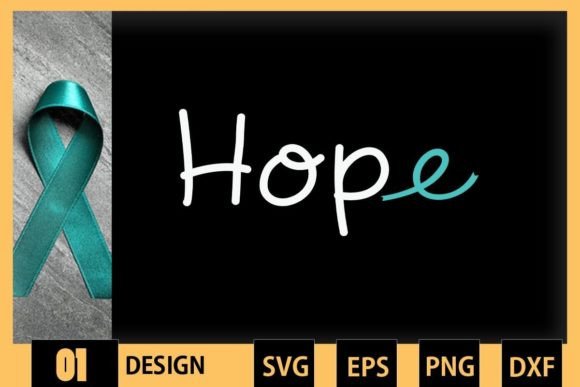
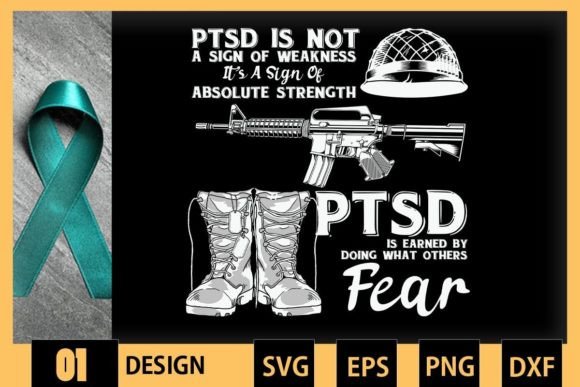
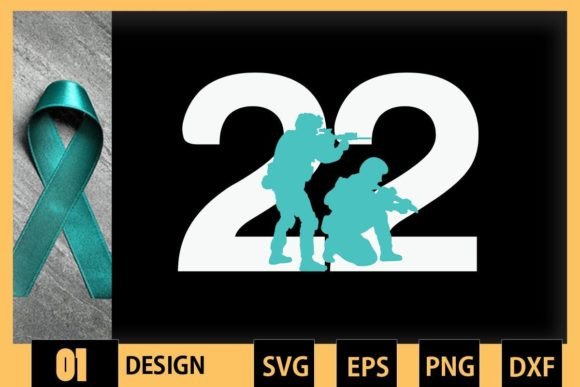
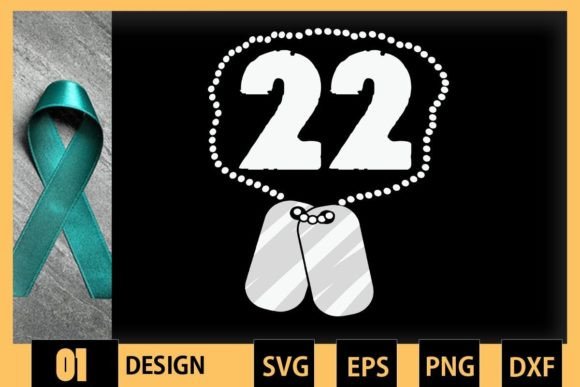
The moment I unzipped the file, I felt its quiet intentionality. This isn’t loud or flashy—it’s grounded, clean, and quietly dignified. The composition balances symbolic elements (a subtle ribbon, balanced negative space, and restrained typography) without leaning into overused tropes. It reads as thoughtful, not decorative. That matters deeply when designing for mental health awareness: your customers aren’t just buying a sticker—they’re choosing alignment. I immediately pictured it on ceramic mugs for therapy offices, minimalist tote bags for veteran support groups, and elegant gift tags for care packages. It leans toward elegant and minimal, not playful or rustic—so it pairs beautifully with serif fonts, soft matte vinyl, and neutral-toned handmade packaging.
Real Crafting Uses—Tested Across My Workflow
I ran 22 PTSD Awareness Posttraumatic Stress through six live project types in my studio last week—and here’s what held up:
- Cricut project: Cut flawlessly on Premium Vinyl (both glossy and matte) at 3.2" width. The SVG paths were smooth, with no stray nodes or overlapping strokes—critical for clean weeding.
- Sticker design: The PNG included transparent background and crisp 300 DPI resolution—perfect for printing on kiss-cut sticker paper or roll labels. No pixelation, even at 1.5".
- Mug design & tumbler wrap: Scaled cleanly to 3.75" diameter (standard sublimation mug size). I tested it on white and navy tumblers—held contrast well on both, especially with a light gray or charcoal version of the base graphic.
- Printable design: Printed beautifully on 120 lb cardstock for gift tags and on matte photo paper for framed wall art. The EPS file gave me full vector control for resizing in Illustrator without quality loss.
- Etsy product mockup: Dropped instantly into my Canva mockup templates—no jagged edges, no color shift. Made listing visuals feel cohesive and professional in under two minutes.
- Small business branding: Used the SVG as a subtle watermark on thank-you cards and packaging inserts—small enough to be respectful, clear enough to be legible.
Where It Shines Best
This graphic design asset excels where clarity, dignity, and scalability intersect. It works exceptionally well for:
- Seasonal craft bundles (especially around June—PTSD Awareness Month)
- Personalized items like engraved keychains or custom journal covers
- Gift products tied to mental wellness, self-care, or veteran appreciation
- Printable wall art for therapists’ waiting rooms or school counseling offices
- Handmade shop collections focused on empathy-driven design
- Product mockups for Etsy listings or Instagram product carousels
Where to Use It Thoughtfully
Like any strong design, 22 PTSD Awareness Posttraumatic Stress has boundaries—and respecting them keeps your finished products trustworthy. Avoid using it:
- At under 1" tall in vinyl cutting—fine details (like thin ribbon lines) risk tearing or incomplete weeding
- In layered vinyl projects unless you simplify the layout first—the current composition doesn’t separate easily into stacked layers
- On dark substrates without testing contrast—some versions of the base color appear low-contrast on black shirts or deep-navy totes
- For print-on-demand services without confirming commercial license terms first (more on that below)
Practical Crafter Notes You’ll Actually Use
Before adding 22 PTSD Awareness Posttraumatic Stress to your next batch of Etsy products or craft fair inventory, do these five things:
- Test-cut first: Run a small test on your preferred vinyl or heat-transfer material—even if the SVG looks perfect in Design Space, material behavior varies.
- Check transparency: Open the PNG in Photoshop or GIMP and verify the background is truly transparent (not white or off-white).
- Confirm sublimation readiness: If using for tumblers or ceramic, ensure the PNG is 300 DPI and RGB—not CMYK—and that colors translate well on your printer’s profile.
- Preview on real mockups: Don’t rely on digital previews alone. Drop it onto a high-res photo of your actual mug, tote, or sticker sheet to gauge visual weight and balance.
- Verify commercial license: While most reputable creative marketplaces include commercial rights, double-check the license file included in the ZIP—especially if bundling it into a larger design or selling as part of a digital product.
Font Pairing & Stylistic Harmony
I paired 22 PTSD Awareness Posttraumatic Stress with three font families across recent projects—and each worked distinctly well:
- Serif (e.g., Playfair Display): For printed greeting cards and framed art—adds gravitas and timelessness.
- Sans serif (e.g., Montserrat): For modern tumbler wraps and digital downloads—clean, accessible, and screen-friendly.
- Handwritten (e.g., Qwitcher Grypen): Only when used minimally—as a secondary line beneath the main graphic—for gift tags or thank-you notes.
No script or display fonts overwhelmed it. Its restraint makes it unusually versatile—rare for awareness-themed clipart.
Final Verdict for Handmade Business Owners
If you sell physical or digital handmade products rooted in purpose—not just aesthetics—22 PTSD Awareness Posttraumatic Stress earns a permanent spot in your design assets folder. It’s not trendy; it’s enduring. Not generic; it’s specific in its quiet strength. And unlike many awareness-themed graphics, it avoids visual fatigue—making it viable for long-term shop branding, seasonal rotations, and heartfelt customer orders. Just remember: great design begins with thoughtful execution. Test it. Resize it. Place it. Then let it serve your mission—not the other way around.