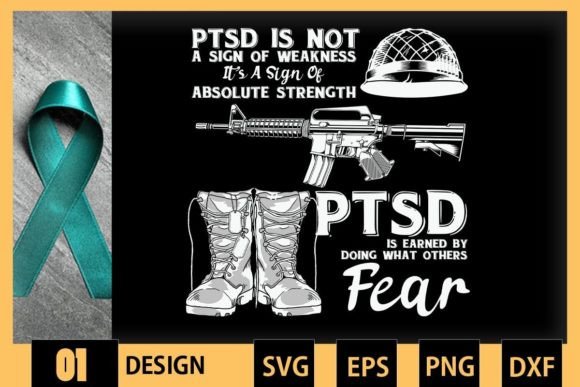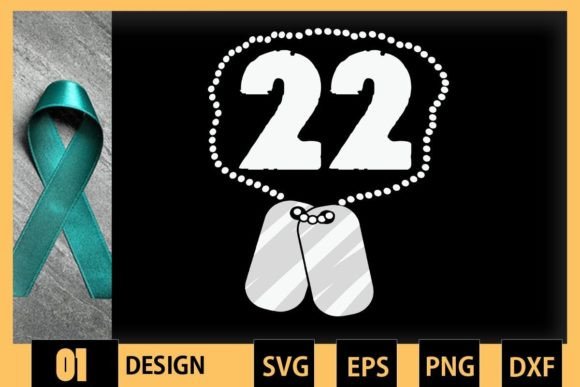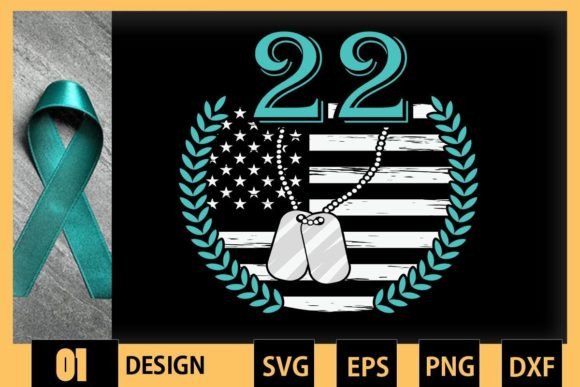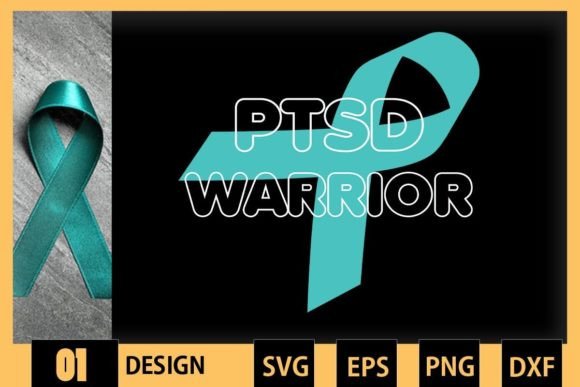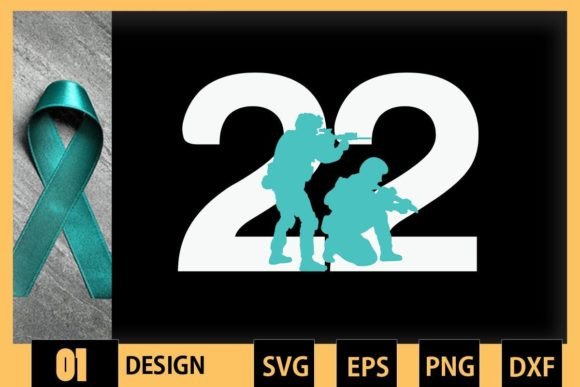
22 A Day Soldier Veteran PTSD Awareness Graphics
As a brand designer who’s helped over 80 local businesses—from indie candle makers and veteran-owned coffee roasters to handmade soap studios and floral boutiques—I recently evaluated the 22 a Day Soldier Veteran PTSD Awareness graphic design asset for real-world application. Not as a theoretical concept, but for an actual project: designing packaging and in-store signage for “Hearth & Honor,” a small-batch bakery in Austin that partners with veteran support nonprofits and runs quarterly “22 A Day” donation campaigns.
First impression? The design carries quiet reverence—not loud or urgent, but grounded, respectful, and human. It leans into subtle symbolism (a silhouette soldier, a folded flag motif, or stylized number “22” integrated with a ribbon) rather than overt military iconography. That makes it feel handmade, not mass-produced; thoughtful, not transactional. It reads as warm, dignified, and community-centered—ideal for brands rooted in care, craftsmanship, and local impact. It’s neither overly ornate nor starkly minimal—it lands comfortably in the sweet spot between organic and intentional.
This isn’t clipart you slap on a label and call it done. Used well, 22 a Day Soldier Veteran PTSD Awareness strengthens small business branding by anchoring visuals to purpose. At Hearth & Honor, we used the SVG file to scale cleanly onto kraft paper loaf bags, printed the PNG with transparent background on thank-you cards tucked inside orders, and embedded the EPS version into their seasonal “Honor Loaf” label layout—where it sits just below the logo, reinforcing mission without crowding ingredients or certifications.
In practice, this graphic design asset supports local business presentation across seven key touchpoints:
- Product labels: Works beautifully as a secondary brand mark—especially on artisan food, skincare, or home goods where emotional resonance matters more than technical specs.
- Packaging accents: Adds meaning to boxes, jars, and hang tags without compromising legibility of core product info.
- Social media graphics: Scales crisply for Instagram carousels, Facebook event banners, and Pinterest campaign pins—especially when paired with short, empathetic copy.
- Printed promotional material: Delivers clarity in flyers, posters, and in-store window decals—even at 12” x 18” print size.
- Thank-you cards & inserts: Gives tangible warmth to customer experience—something handmade businesses consistently underutilize.
- Seasonal campaign visuals: Fits naturally into Memorial Day, Veterans Day, or year-round awareness efforts without feeling dated or performative.
- Business collateral: Enhances letterhead, email footers, and vendor welcome kits—elevating perception of professionalism and values alignment.
Where does it shine brightest? On product mockups for Etsy or local market booths, as a decorative brand element beside hand-lettered typography, and as a hero graphic in limited-run packaging—like a “22 A Day” candle sleeve or a commemorative soap bar wrapper. It also performs exceptionally well in boutique visuals: think shelf talkers for gift shops supporting veteran causes, or embroidered patches for aprons worn by staff at veteran-serving cafes.
But use it with intention—not decoration. Avoid placing 22 a Day Soldier Veteran PTSD Awareness on crowded ingredient-heavy labels (like USDA-certified food packaging), near legally required disclaimers, or against low-contrast backgrounds where fine vector details vanish. It’s not ideal for luxury minimalist brands that rely on negative space and restraint—its warmth can read as visual “noise” there. And while it scales perfectly as SVG or EPS, the PNG version requires careful previewing on small labels (under 1.5” height)—transparency must hold, and thin strokes shouldn’t pixelate.
Here’s what I test before clearing any graphic design asset for client work—especially one tied to meaningful cause-based branding:
- Print it at actual size on the intended substrate (kraft paper, matte sticker stock, cotton tag)—does ink bleed? Does detail hold?
- Convert to grayscale—does the hierarchy remain clear? Is it still legible in black-and-white photocopies or faxes?
- Preview alongside your brand’s primary typefaces: Does it harmonize with serif (e.g., Playfair Display), sans serif (e.g., Montserrat), script (e.g., Pacifico), or display fonts (e.g., Bangers)?
- Overlay it on your top three brand color combinations—does contrast meet WCAG AA standards?
- Drop it into a competitor’s packaging mockup—does it stand out respectfully, or get lost in visual clutter?
- Verify commercial license terms—this is non-negotiable for small business branding, physical product sales, or client projects.
For creative entrepreneurs sourcing from digital marketplaces, remember: 22 a Day Soldier Veteran PTSD Awareness is more than a Crafts download—it’s a values-aligned design asset with built-in storytelling power. When paired with authentic local business action—like donating $1 per “Honor Loaf” sold or hosting monthly veteran storytelling nights—the graphic becomes part of a larger brand identity, not just a visual add-on.
It won’t replace thoughtful logo design or comprehensive packaging design—but it *does* deepen emotional connection, sharpen visual hierarchy on crowded shelves, and signal integrity to customers who increasingly choose brands by values, not just variety. For handmade sellers, food businesses, and boutique owners building trust through consistency and compassion, that’s not just design polish. It’s professional branding with purpose.