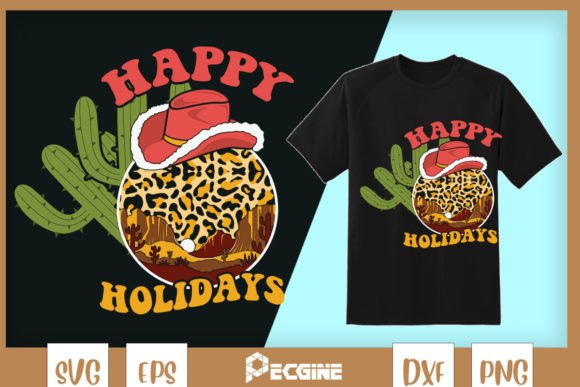
Christmas Ornamental Desert Western
A Designer’s First Glance: Whimsy with a Wink
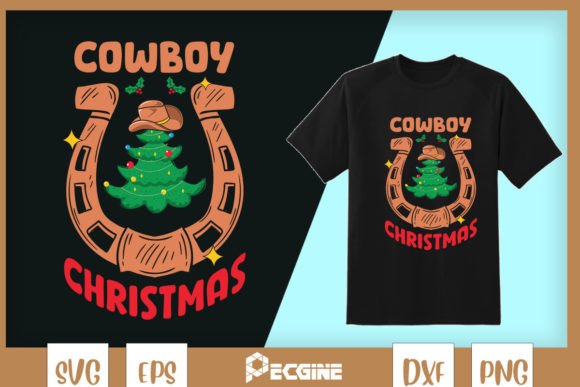
When Christmas Ornamental Desert Western opened on my screen, I didn’t see just another holiday graphic—I saw a conversation. Between cactus and candy cane. Between cowboy boots and tinsel. It’s playful without being childish, nostalgic without leaning into cliché. The layout feels intentional: symmetrical enough for balanced embroidery placement, yet layered with organic flourishes—swirls that suggest wind-blown ribbon, subtle starbursts tucked into cholla silhouettes, and a central ornament shape that anchors the whole motif. As a designer who’s stitched hundreds of holiday pieces for small shops and Etsy sellers, I immediately pictured this on a heavyweight cotton tote bag—something sturdy, earthy, and quietly festive.
How It Holds Up in Real Embroidery Projects
I tested Christmas Ornamental Desert Western across three real-world scenarios: a custom sweatshirt for a boutique’s holiday pop-up, a set of embroidered kitchen towels for a craft fair vendor, and a batch of baby onesies for a personalized gift shop. On the sweatshirt—medium-weight fleece—the design retained its character at 4.5 inches wide. The satin stitch borders around the cactus spines and ornament rim held crispness, and the fill stitch areas (like the desert sky background) stayed breathable, not stiff or plasticky. On the tea towels—linen-cotton blend—the running stitch outlines added lovely texture, especially where the design includes fine trailing vines. But on the onesies? That’s where attention matters: the smallest decorative elements—tiny stars, narrow ribbons, and delicate lettering inside the ornament—need careful hooping and lightweight stabilizer to avoid puckering on thin knit fabric.
Where It Shines—and Where It Needs Extra Care
- Shines on: Tote bags, aprons, pillow covers, caps (front panel only), and unstructured patches. Its mid-size footprint (ideal for 4–5" hoops) makes it versatile for both home embroiderers and small-batch producers.
- Needs care on: Stretchy fabrics like jersey or ribbed knits—test hoop tension first. Dark fabrics require high-contrast thread choices (e.g., cream or gold over charcoal); the PNG file’s transparency helps preview that. Curved surfaces like baseball caps benefit from reducing stitch density slightly in the outer curves—check the vector files (SVG/EPS) to adjust if your software allows.
- Avoid on: Ultra-fine silk or heavily textured burlap unless you’re using it as an applique design with fused backing. Tiny interior details won’t resolve cleanly there.
What This Design Says to Your Customers
For Etsy sellers and handmade shop owners, Christmas Ornamental Desert Western isn’t just decoration—it’s tone-setting. It tells shoppers: “This isn’t mass-produced holiday clutter. This is thoughtful, regionally rooted, handmade charm.” I’ve watched customers pause longer at products featuring this kind of visual storytelling—especially when paired with natural fibers and minimalist presentation. It boosts perceived value without demanding premium pricing. On a linen pillow cover, it reads as boutique-worthy. On a recycled-cotton apron, it feels warm and personal. And yes—it absolutely works for wedding gifts (think: “Desert Elopement” guest towels) or nursery decor where “holiday” meets “home.” Just skip the red/green overload; try terracotta thread on oatmeal linen, or sage on cream canvas.
Practical Notes Every Embroidery Designer Should Run Through
- Always test on scrap fabric first—especially with the included PNG, since it’s pre-sized. Confirm scaling holds before stitching your final piece.
- Check thread color contrast early. The design’s balance relies on clear separation between elements—don’t let a muddy beige blend into a tan background.
- Review stitch density in your embroidery software. If fill areas feel overly dense, reduce by 5–10%—this helps breathability on apparel and durability through washes.
- Confirm hoop size compatibility. While the files support common sizes, double-check whether your machine’s max hoop fits the full width comfortably—no trimming corners.
- Inspect small details at actual stitch scale. Zoom in on those tiny stars and ribbon ends. If they vanish under thread, simplify them manually or use them as optional layers.
- Test black-and-white mockups—this reveals hierarchy and legibility faster than color previews ever will.
- Use proper stabilizer: cutaway for knits, tear-away for stable wovens, and fusible + tear-away combo for lightweight linens.
- Verify licensing before selling finished items or digital embroidery files. Since Christmas Ornamental Desert Western is listed under Crafts and Graphics, confirm whether commercial use is included—many designers assume it is, then hit roadblocks later.
Final Thought: A Design That Fits Like a Well-Worn Glove
This isn’t a “throw-it-on-and-go” embroidery file. Christmas Ornamental Desert Western rewards intention. It asks you to consider fabric grain, thread sheen, customer context, and even seasonal timing (it’s equally strong for late November gifting or early December boutique launches). As a machine embroidery design, it bridges novelty and wearability. As a digital embroidery file, it gives craft business owners flexibility across formats—SVG for cutting machines, EPS for vector editing, DXF for CAD workflows, PNG for quick mockups. What stands out most is how naturally it supports handmade product storytelling: no forced cheer, no visual noise—just quiet confidence in its own hybrid identity. Whether you’re stitching for joy, for clients, or for your shop’s next bestseller, this one earns its place in your working library—not as filler, but as foundation.